What Are Smart Meters and Why Should You Care?
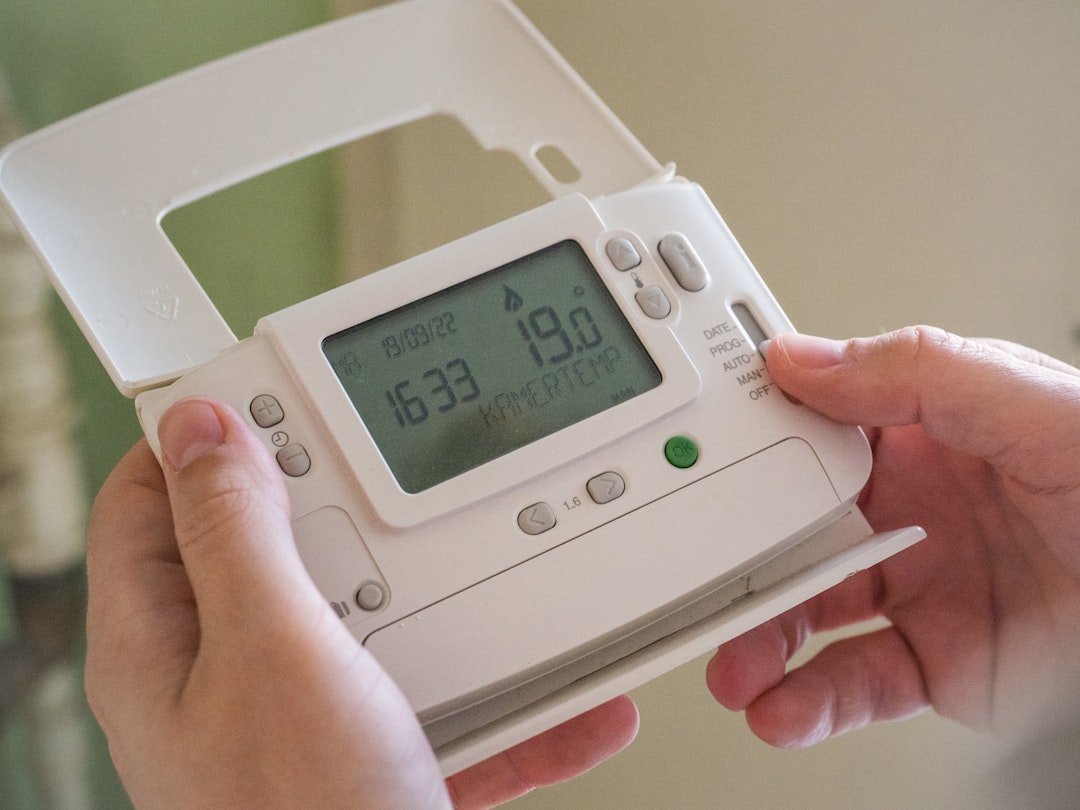
Smart meters are digital devices that measure your gas and electricity consumption in real time, replacing traditional analogue meters. Unlike their predecessors, smart meters communicate directly with your energy supplier, eliminating the need for estimated bills and manual readings. By 2026, the UK government aims to have installed smart meters in most homes, though the rollout has progressed slower than originally anticipated.
If you’re considering whether to get one installed, it’s worth understanding exactly what benefits they offer and whether they align with your household’s needs and priorities.
The Financial Benefits: Can They Save You Money?
This is the question most households want answered. The honest answer is: it depends on your behaviour.
Smart meters themselves don’t automatically reduce your energy bills. However, they provide access to real-time consumption data through in-home displays, which helps you understand exactly when and how you’re using energy. Armed with this information, you can make informed decisions about your habits—like running the washing machine during off-peak hours or identifying energy-hungry appliances.
According to Ofgem and the Department for Energy Security, households that actively use their in-home display data can typically save between £11-£35 per year on their energy bills. For some households, particularly those willing to change their habits significantly, savings can be higher. However, if you install a smart meter and ignore the data, you won’t see any financial benefit.
Understanding the Real Advantages
Beyond potential bill savings, smart meters offer several genuine advantages worth considering:
- Accurate Billing: No more estimated bills based on assumptions. You pay for exactly what you use, which particularly benefits those away from home frequently or with variable consumption patterns.
- Easier Supplier Switching: Smart meters make switching energy suppliers simpler and faster. Your consumption data transfers automatically, eliminating delays and disputes over final bills.
- Time of Use Tariffs: With smart meter capability, you can access Economy 7-style tariffs and other time-based pricing plans, potentially reducing costs if you can shift usage to cheaper hours.
- Better Budgeting: Real-time data helps you plan energy spending more accurately and spot unusual consumption patterns that might indicate faults or inefficiency.
- Remote Management: Most suppliers allow you to view consumption online or through apps, providing convenience and control.
The Potential Drawbacks You Should Know
It’s important to be realistic about smart meters’ limitations and challenges.
Firstly, the rollout has experienced significant delays and technical issues. Not all smart meters communicate reliably, and some customers have reported devices reverting to standard mode without their knowledge. If your meter loses its smart functionality, you’re essentially back to manual readings.
Secondly, there are privacy concerns. Your energy consumption data is more detailed and accessible than ever before. Whilst Ofgem and suppliers have data protection obligations, some people prefer the anonymity of traditional meters.
Thirdly, if you rent your property, you may have limited control over whether a smart meter is installed. Some landlords have refused installation, which can complicate future supplier switching.
Finally, initial reports suggested some households experienced bill increases after smart meter installation, though this was often attributed to more accurate billing rather than the meters themselves causing higher consumption.
Smart Meters in 2026: The Current Situation
As of 2026, the government has extended its original installation deadline. Whilst millions of UK households have received smart meters, the rollout remains incomplete. Energy suppliers are continuing installations, and most are now offering them for free.
If you haven’t received an offer, you can request one from your current supplier. There’s no charge for installation or the meter itself—suppliers absorb these costs as part of their infrastructure investment.
Should You Get One? A Practical Decision Framework
Consider a smart meter if:
- You’re willing to actively monitor and respond to your consumption data
- You want accurate billing without estimated readings
- You plan to switch suppliers within the next few years
- You’re interested in exploring time-of-use tariffs
- You suspect your current meter may be faulty or inaccurate
You might want to defer installation if:
- You have privacy concerns you can’t resolve with your supplier
- Your current meter works perfectly and you rarely switch suppliers
- You live in an area where the supplier’s network is unreliable
- You’re renting and your landlord opposes installation
Maximising Smart Meter Benefits
If you decide to proceed, here’s how to get genuine value:
- Request the in-home display and learn how to use it properly
- Check your consumption data weekly, not just when bills arrive
- Identify your biggest energy consumers and consider timing their use
- Compare your actual usage against previous periods to spot trends
- Use the data to evaluate whether you’re on the best tariff for your consumption pattern
- Regularly review supplier offers—smart meters make switching easier and faster
The Bottom Line for 2026
Smart meters aren’t a magic solution for reducing energy bills, but they’re increasingly useful tools for household energy management. In 2026, with most suppliers offering them free and the technology more established, they’re worth considering—particularly if you’re proactive about energy management.
The real value comes from understanding your consumption data and using it to make better decisions about how and when you use energy. If you’re unlikely to engage with that data, a smart meter won’t transform your finances.
However, they do offer practical benefits beyond bill reduction, particularly around billing accuracy and supplier flexibility. For most UK households, accepting a smart meter installation is a sensible choice, even if the financial savings prove modest.
Ready to make a decision? Contact your energy supplier today to request a free smart meter installation. If you already have one, download your supplier’s app and start exploring your consumption data. Even small behaviour changes can lead to noticeable savings over time. Don’t leave money on the table by having smart meter capability but not using it.